The most expensive DIY plumbing mistakes are reaching for chemical drain cleaners, overtightening fittings, ignoring clogged vent pipes and installing P-traps wrong. Each one can turn a small fix into a bigger repair bill. Below, we walk through how to avoid each mistake and how to tell when a job is beyond DIY.
Key takeaways
- Overtightened fittings, the wrong pipe materials and skipped permits are the most common costly DIY mistakes.
- Never attempt gas line work yourself.
- If a job involves gas, the water heater, work inside walls or more than one drain, call a licensed plumber.
Why Small DIY Plumbing Mistakes Get Expensive
Plumbing problems rarely stay small. A drip under the sink can quietly soak a cabinet base, and a partial clog can become a backup at the worst possible time.
Many repairs are fine to tackle yourself, like swapping a showerhead or clearing a hair clog from a tub stopper. The trouble starts when a quick fix hides the real problem or damages pipes and fittings along the way.
4 Costly DIY Plumbing Mistakes
1. Using Chemical Drain Cleaners Instead of a Snake
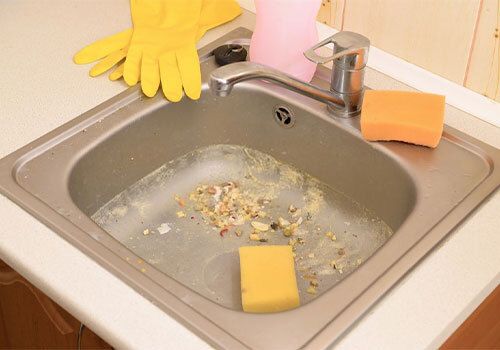
Liquid drain cleaners are tempting because they promise a fix with no tools. In practice, they often burn a channel through the clog without clearing it, so the drain slows down again soon after.
These products are also caustic. Repeated use can wear on older pipes, and if the drain stays blocked, you are left with a sink full of harsh chemicals that are dangerous to splash or plunge.
- Try a plunger or a hand-held drain snake first.
- Remove and clean the stopper in bathroom sinks and tubs.
- If several drains are slow at once, the problem is likely deeper in the line, and a plumber should take a look.
Stubborn or recurring clogs usually call for professional drain cleaning rather than another bottle from the hardware store.
2. Overtightening Fittings
It feels logical that tighter means more leak-proof. But cranking down too hard can crack plastic fittings, strip threads or crush washers and compression rings.
The damage may not show right away. A hairline crack can start as a slow drip days later, often inside a cabinet or wall where you will not notice it quickly.
- Hand-tighten plastic slip nuts, then snug them gently.
- Follow the manufacturer’s instructions for supply lines and compression fittings.
- Check for drips after a few minutes of running water, then again the next day.
3. Ignoring Clogged Vent Pipes
Your drains depend on a vent system, usually ending in a pipe on the roof, to let air into the plumbing so water flows smoothly. Leaves, debris or nests can block that vent.
When a vent is clogged, you may notice gurgling sounds, slow drains throughout the house or sewer odors. Homeowners often keep treating each drain separately when the real issue is the vent.
Clearing a roof vent means working on a ladder and roof, which is a real fall risk. If you suspect a vent problem, it is safer to have a plumber diagnose it.
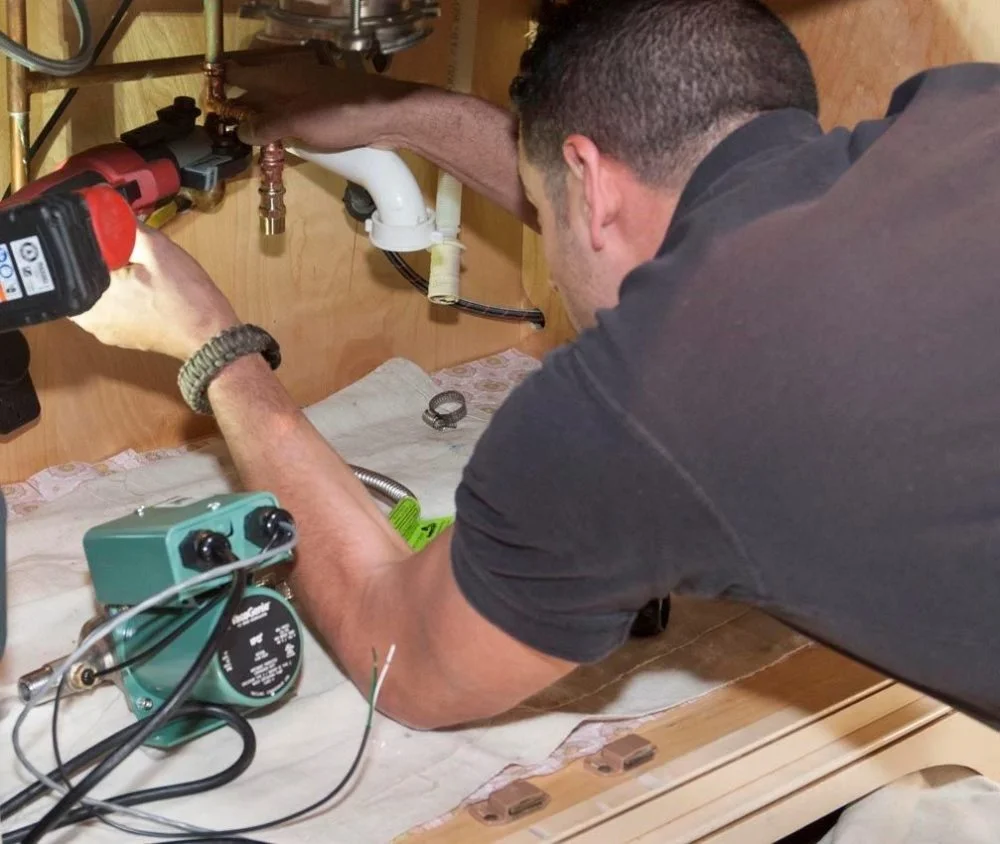
4. Installing a P-Trap Incorrectly
The curved pipe under your sink is a P-trap. It holds a small amount of water that blocks sewer gas from coming up through the drain.
Common DIY errors include misaligned pieces, missing or reversed washers, a trap set at the wrong height for the drain line, or substituting an S-shaped trap that can siphon dry. Any of these can lead to leaks, slow drainage or sewer smells.
If your new trap leaks or the room smells like sewer gas afterward, have a pro check the setup before water damage builds up.
DIY or Call a Plumber?
A simple rule: if the job is visible, easy to reach and involves a single fixture, it is usually fine to try yourself. Swapping a showerhead, cleaning an aerator or clearing hair from a tub stopper all fall in this group.
If the job involves gas, the water heater, pipes inside walls or more than one drain, it is time for a licensed plumber. The same goes for any repair you have already tried once that did not hold.
Hiring someone for the first time? Our guide to the questions to ask a plumber before you hire covers licensing, pricing and what a good plumber should explain before starting.
Plumbing Help in Royersford and Nearby
Avanti Plumbing & Drains is a family-owned, licensed and insured company based in Royersford that has served homeowners since 2006. Our technicians wear shoe covers, explain your options before any work begins and leave the area clean. We serve communities across Montgomery and Chester County; see our full list of service areas.
We are often called after a DIY fix starts leaking, and catching it early keeps the repair small. We serve Royersford, Phoenixville and Bryn Mawr.
Signs a DIY Repair Needs a Pro
DIY is fine for simple, visible jobs. Call a professional when:
- More than one drain is slow or backing up.
- A clog returns after you have cleared it.
- You have a leak you cannot reach or stop.
- You smell sewer gas or hear gurgling in multiple drains.
- The job involves gas lines, water heaters or work inside walls.
If a leak is active, shut off the water at the fixture valve or the main shutoff first. Never attempt gas line work yourself. For broader repairs, see our plumbing repair services.
Get It Fixed Right the First Time
If a DIY project has gone sideways, or you would rather skip the risk, we are here 24/7. Call (610) 489-2717 or book service online, and a technician will help you get your plumbing back on track.
Frequently Asked Questions
Are chemical drain cleaners bad for pipes?
They can be. Chemical drain cleaners are caustic, often fail to fully clear a clog, and repeated use can wear on older pipes. A plunger or drain snake is usually a safer first step.
How tight should plumbing fittings be?
Snug, not forced. Hand-tighten plastic slip nuts and follow the manufacturer’s instructions for supply lines and compression fittings. Overtightening can crack fittings or strip threads.
Which plumbing jobs are safe to do yourself?
Simple, visible jobs like replacing a showerhead, cleaning a faucet aerator or clearing a hair clog from a tub stopper. Leave gas work, water heaters, work inside walls and main line clogs to a licensed plumber.