You can keep pipes from freezing by insulating pipes in unheated spaces, sealing cold-air leaks, disconnecting garden hoses, keeping the heat at 55°F or higher, opening sink cabinets on cold nights and letting a faucet drip during deep freezes. Most frozen pipes in Montgomery County happen in basements, crawlspaces, garages and exterior walls, so start there.
Key takeaways
- Pipes are most at risk when outdoor temperatures fall into the teens and stay there.
- Unheated spaces and exterior walls are where pipes freeze first.
- A slow drip and open cabinet doors are cheap, effective protection on the coldest nights.
- Never thaw a pipe with an open flame.
Why Pipes Freeze and Burst
When water freezes it expands. The ice itself rarely splits the pipe; the pressure it builds between the ice blockage and a closed faucet does. That is why a pipe often bursts in a spot that never looked frozen, and why the leak usually shows up when things thaw.
Pennsylvania winters bring stretches of single-digit nights. Homes with older construction, finished basements with pipes along outside walls, and additions over crawlspaces are the most vulnerable.
1. Insulate Pipes in Unheated Areas
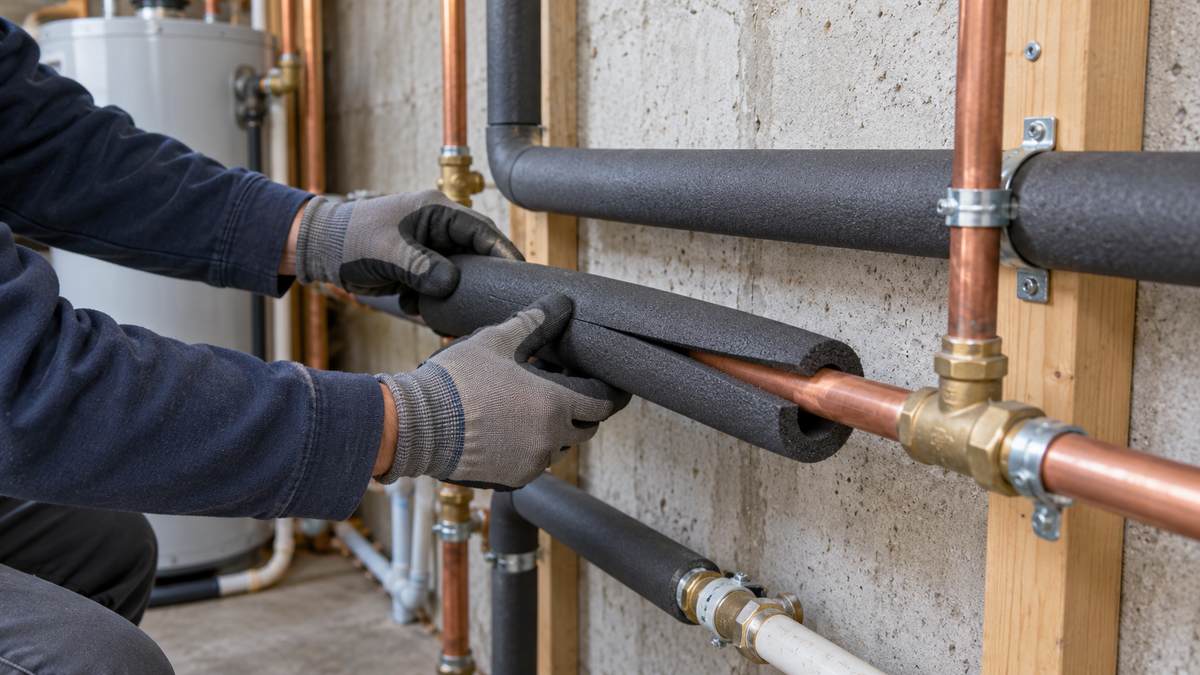
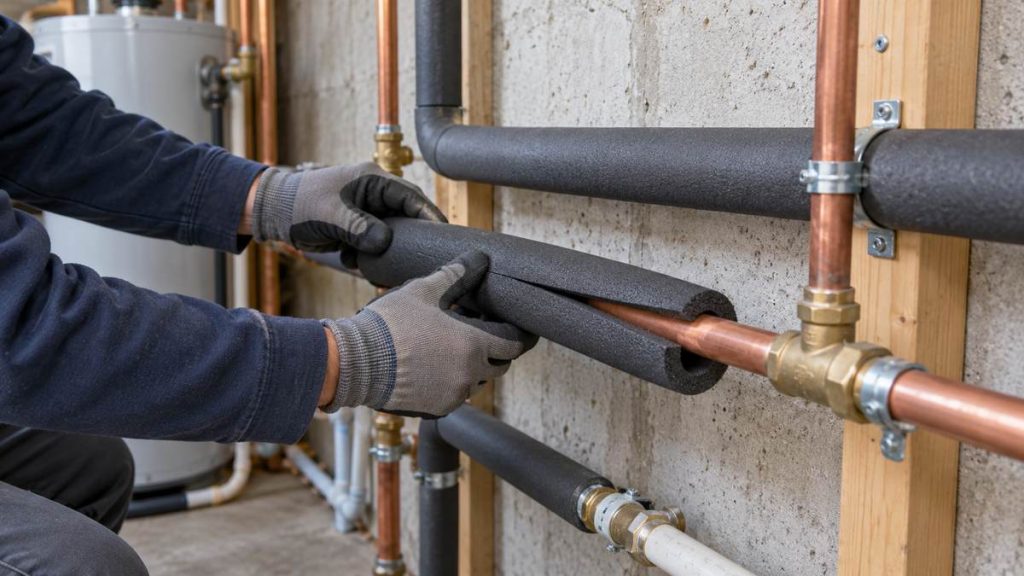
Foam pipe sleeves from any hardware store are inexpensive and easy to fit. Focus on pipes in the crawlspace, garage, attic, unheated basement and along exterior walls. For pipes that freeze every year, a plumber can install UL-listed heat tape with a thermostat.
2. Seal Cold-Air Leaks
A pencil-thin draft blowing on a pipe can freeze it even in a heated basement. Check where pipes and wires pass through walls, rim joists and sill plates. Seal gaps with caulk or spray foam, and close crawlspace vents for the winter.
3. Shut Off and Drain Outdoor Faucets
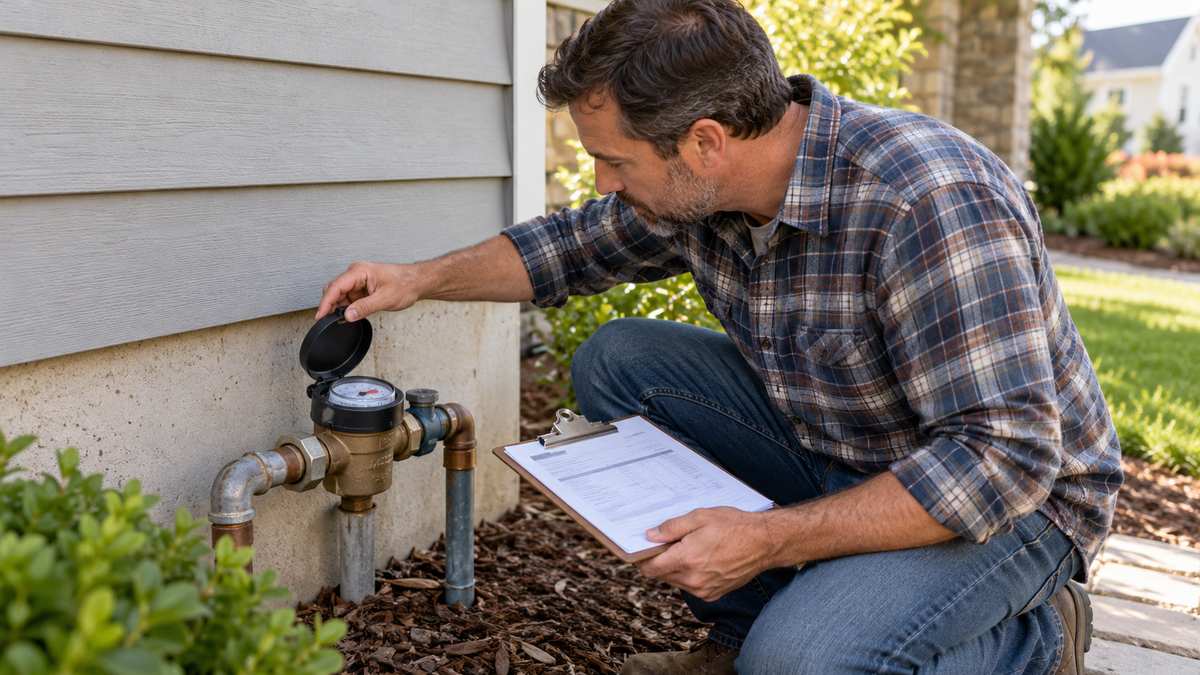
Disconnect garden hoses before the first hard freeze. A hose left on traps water in the faucet. If you have an indoor shut-off for the outside faucet, close it and open the outside spigot to drain it. Frost-free sillcocks still need the hose removed to work.
4. Keep the Heat at 55°F or Higher
Do not drop the thermostat too low at night or when you are away. Pipes in walls and floors are colder than the room. Keep the heat at a steady 55°F minimum, and higher during a deep cold snap.
5. Open Cabinet Doors on Cold Nights
Kitchen and bathroom sinks on outside walls are classic freeze spots. Opening the cabinet doors lets warm room air reach the pipes. Move cleaning products out of reach of kids and pets first.
6. Let a Faucet Drip During a Deep Freeze
A slow drip of both hot and cold water from a faucet on an outside wall keeps water moving and relieves pressure if ice starts to form. The small cost on your water bill is far less than a burst-pipe repair.
7. Prepare the House Before You Travel
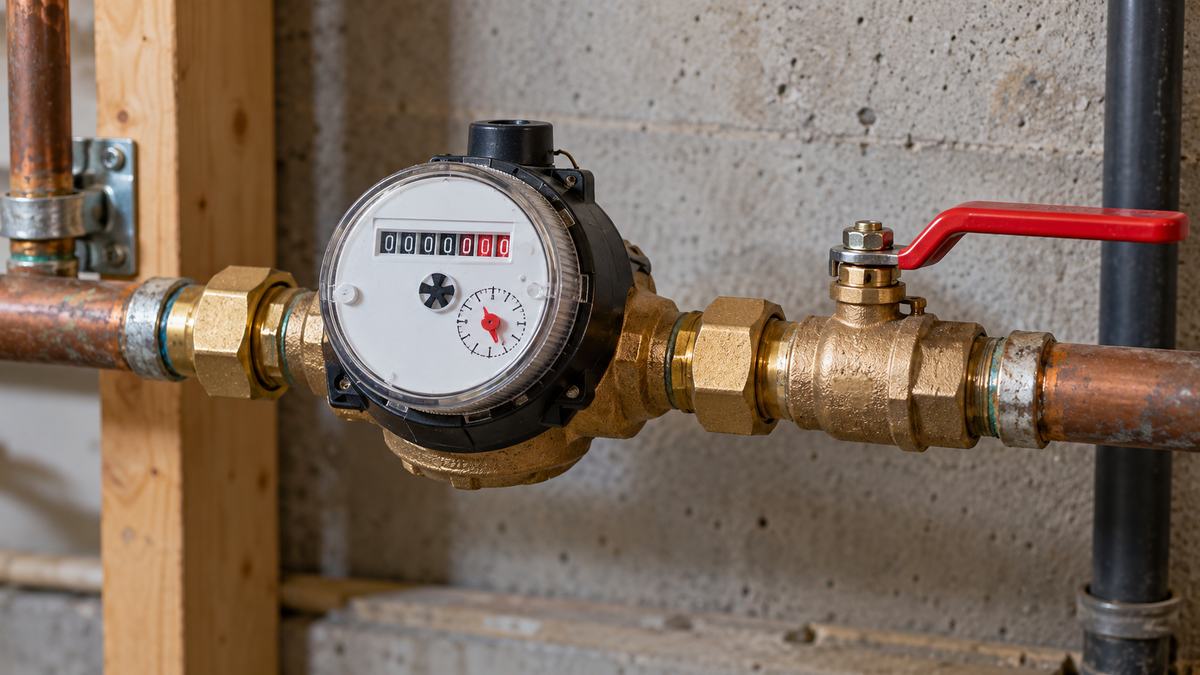
Leave the heat on, ask someone to check the house daily during cold weather, and consider shutting off the main water valve and draining the lines if you will be away for a long time. Learn how to shut off your main water valve before you leave.
What to Do If a Pipe Freezes Anyway
Signs of a frozen pipe include a faucet that only trickles or nothing at all, frost on an exposed pipe, or a bulge in the pipe. Keep the faucet open, then warm the pipe gently with a hair dryer, space heater kept at a safe distance, or warm towels, working from the faucet back toward the frozen section. Never use a torch or open flame. If you cannot find the frozen section, it is in a wall, or the pipe has already split, shut off the water and call a plumber.
Frozen or Burst Pipe? Call Us Day or Night
Our plumbers handle frozen and burst pipe repair across Montgomery County, including thawing lines, repairing splits and rerouting pipes that freeze every year. Call (610) 489-2717 any time, day or night, or book service online.
Frequently Asked Questions
At what temperature do pipes freeze?
Water freezes at 32°F, but pipes inside a home are usually at risk when outdoor temperatures drop into the low 20s or teens for several hours, especially in unheated spaces or exterior walls.
Should I leave faucets dripping overnight?
During a deep freeze, yes. A slow drip from a faucet on an exterior wall keeps water moving and relieves pressure in the line.
Does homeowners insurance cover frozen pipes?
Many policies cover sudden water damage from a burst pipe, but coverage varies and may depend on whether the home was kept heated. Check your own policy or ask your agent.
Can I use heat tape on any pipe?
Use only UL-listed heat tape made for the pipe material, and follow the instructions exactly. For plastic pipes or pipes that freeze repeatedly, ask a plumber.