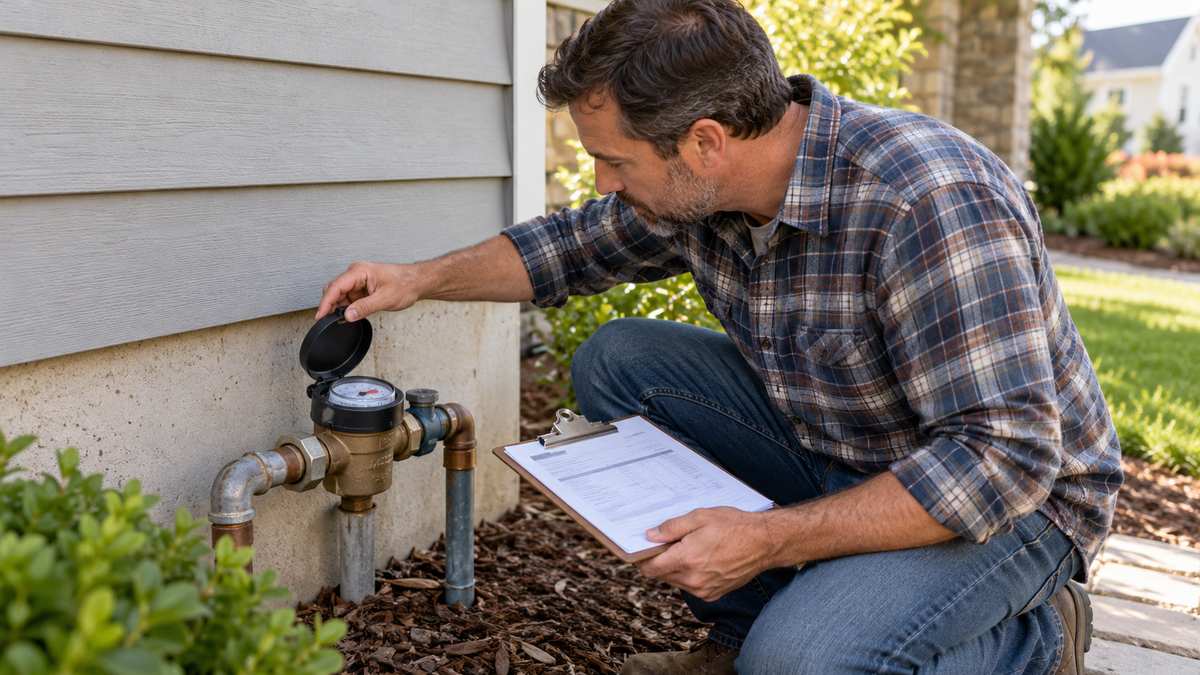
To winterize a lawn sprinkler backflow preventer, shut off the irrigation supply valve inside the house, open the drain valve, then open the test cocks and turn the shut-off handles on the backflow preventer to a half-open position so trapped water can escape. Blow out the irrigation lines, and cover the device with an insulated pouch. A frozen backflow preventer can crack and must then be repaired or replaced and retested.
Key takeaways
- Do it before the first hard freeze, usually in fall in Montgomery County.
- Shut off and drain the supply first, then open the test cocks.
- Leave ball valve handles at 45 degrees so water cannot stay trapped inside.
- In spring, close everything slowly and check for cracks before turning water on.
Why Backflow Preventers Freeze
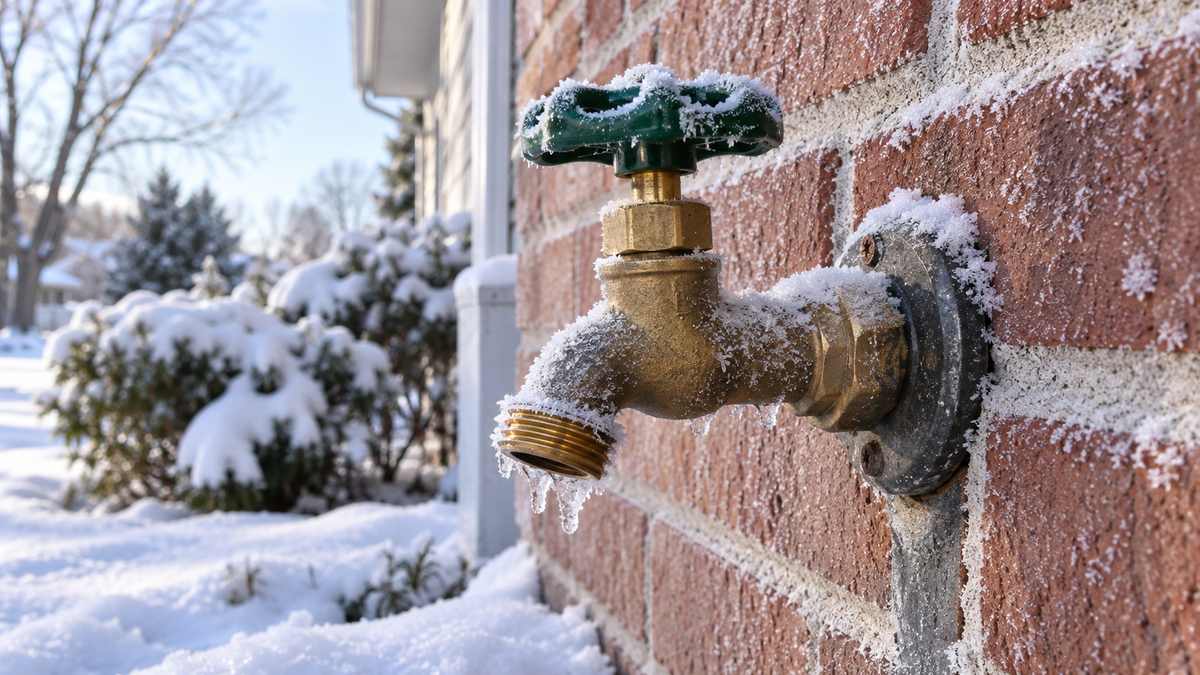
Irrigation backflow preventers usually sit outside, above ground, next to the house. Water trapped inside the bronze body and valves expands as it freezes and can crack the housing or damage internal parts. Replacement and retesting cost far more than a few minutes of winterizing.
Step-by-Step: Winterizing the Backflow Preventer
- Turn off the controller or set it to “off” or “rain” mode.
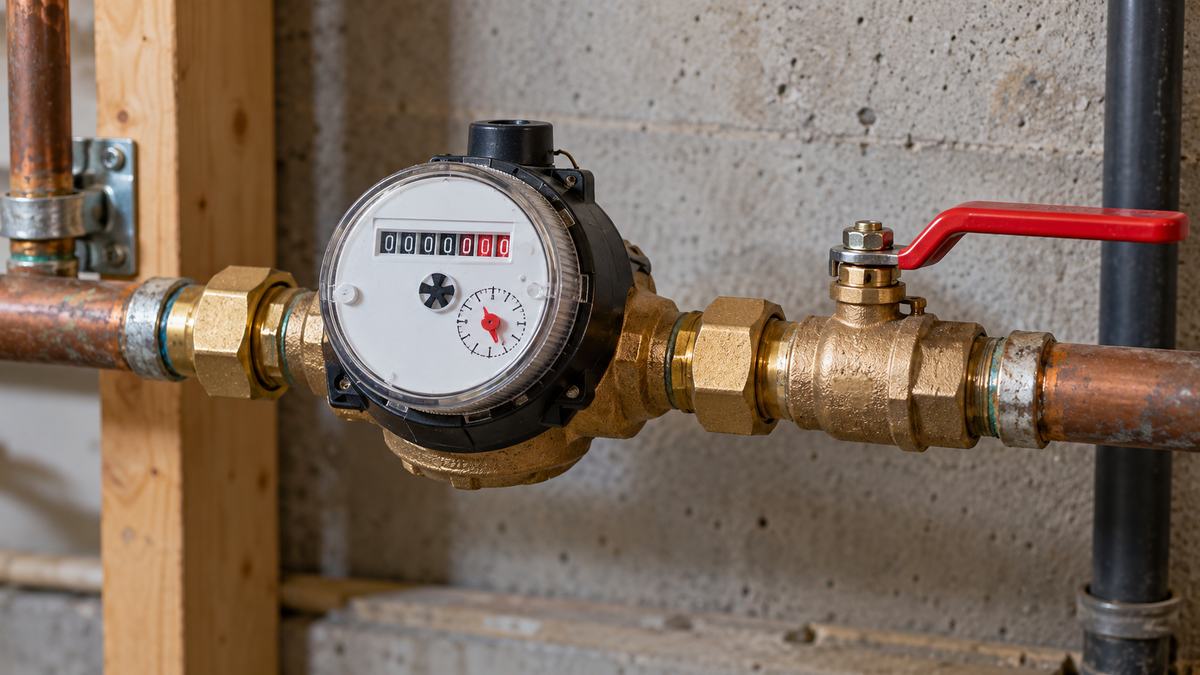
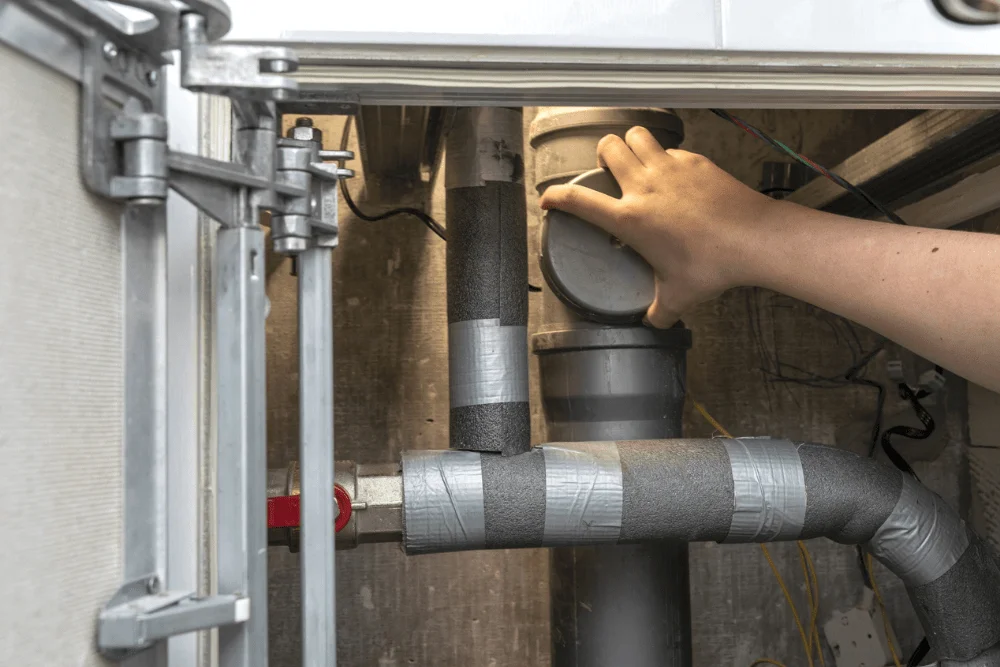
- Close the irrigation shut-off valve inside the house, usually in the basement where the line branches off the main.
- Open the drain valve next to that shut-off to drain the pipe between the house and the backflow device.
- Open the test cocks on the backflow preventer with a flat screwdriver, a quarter turn each.
- Set the shut-off handles at 45 degrees. Half-open ball valves let water drain out of the ball instead of staying trapped inside.
- Blow out the lines. Irrigation zones are usually cleared with compressed air. Too much pressure can damage the system, so many homeowners have this done professionally.
- Insulate the device. Use an insulated backflow cover or pouch. Do not wrap it in a way that holds moisture against it.
Spring Start-Up
- Close the test cocks.
- Set the backflow shut-off handles to fully open and close the drain valve inside.
- Open the inside irrigation shut-off slowly to avoid a pressure surge.
- Check the device for drips, cracks or water spraying from the relief valve.
- Run each zone and check heads for damage.
If your water supplier requires an annual test, spring start-up is a convenient time to schedule it. See what a backflow test notice means.
Signs of Freeze Damage
- Water spraying or dripping from the body or relief valve
- Visible cracks or bulges in the bronze housing
- A device that will not hold pressure
A damaged device needs repair or replacement and then a new test filed with your supplier.
Backflow Device Cracked or Due for a Test?
We can help with repair and backflow testing. Freeze damage elsewhere in the house? See our frozen and burst pipe repair service. Call (610) 489-2717 any time, day or night, or book service online.
Frequently Asked Questions
When should I winterize my sprinkler system in Pennsylvania?
Before the first hard freeze, typically in fall. Do not wait for a cold snap.
Do I need to blow out my sprinkler lines?
In freezing climates, yes. Water left in the lines can freeze and crack pipes and heads.
Can I just leave the backflow preventer on all winter?
Not if it is outside and full of water. Shut off the supply, drain it and insulate it.
My backflow preventer cracked. Do I need a new test?
Yes. After repair or replacement, the device usually needs to be tested and the result filed with your water supplier.