A water bill that suddenly jumps is most often caused by a leak: a running toilet, a dripping faucet, a leaking water heater, an irrigation leak, or a break in the underground service line. Seasonal changes, extra guests and rate increases explain some jumps, but if your usage in gallons went up and your habits did not, check for a leak first.
Key takeaways
- Compare gallons used, not just the dollar amount, against the same month last year.
- A running toilet is the most common cause of a sudden spike.
- A meter test tells you within an hour whether you have a leak.
- Soggy spots in the yard or a constantly running well pump point to a service line leak.
First, Check Usage, Not Just the Total
Look at the gallons or cubic feet used on the bill and compare them with the same period last year. If the price per unit went up but usage did not, it is a rate change. If usage climbed and nothing changed at home, keep reading.
1. A Running or Leaking Toilet
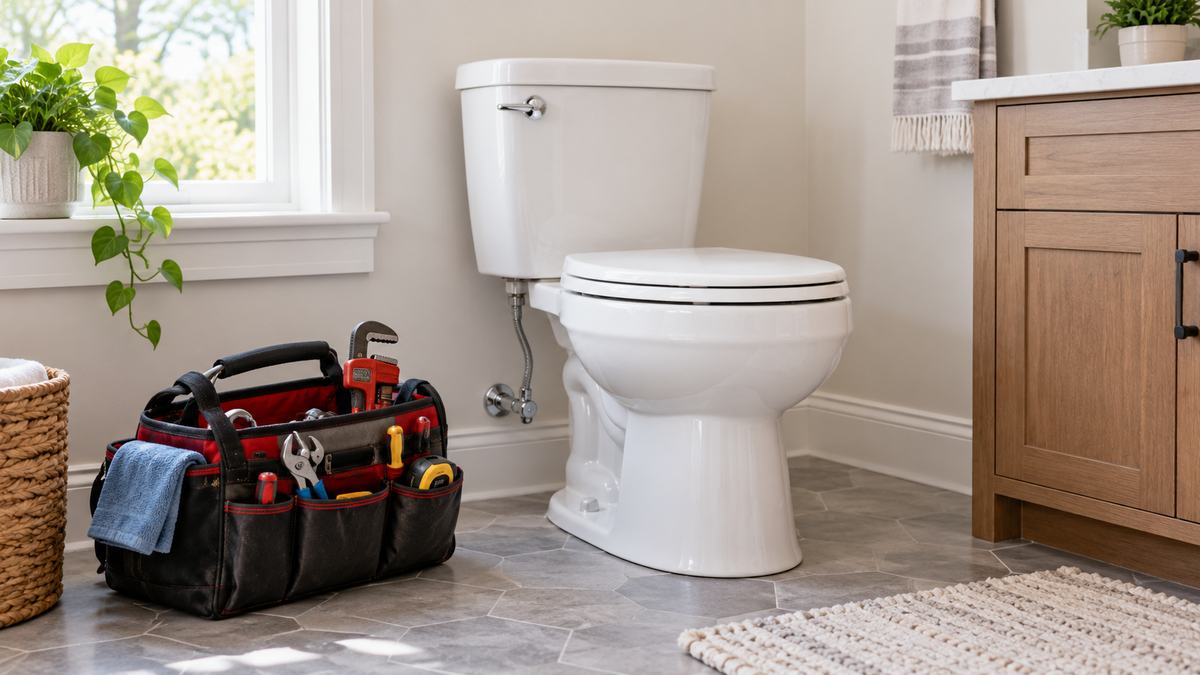
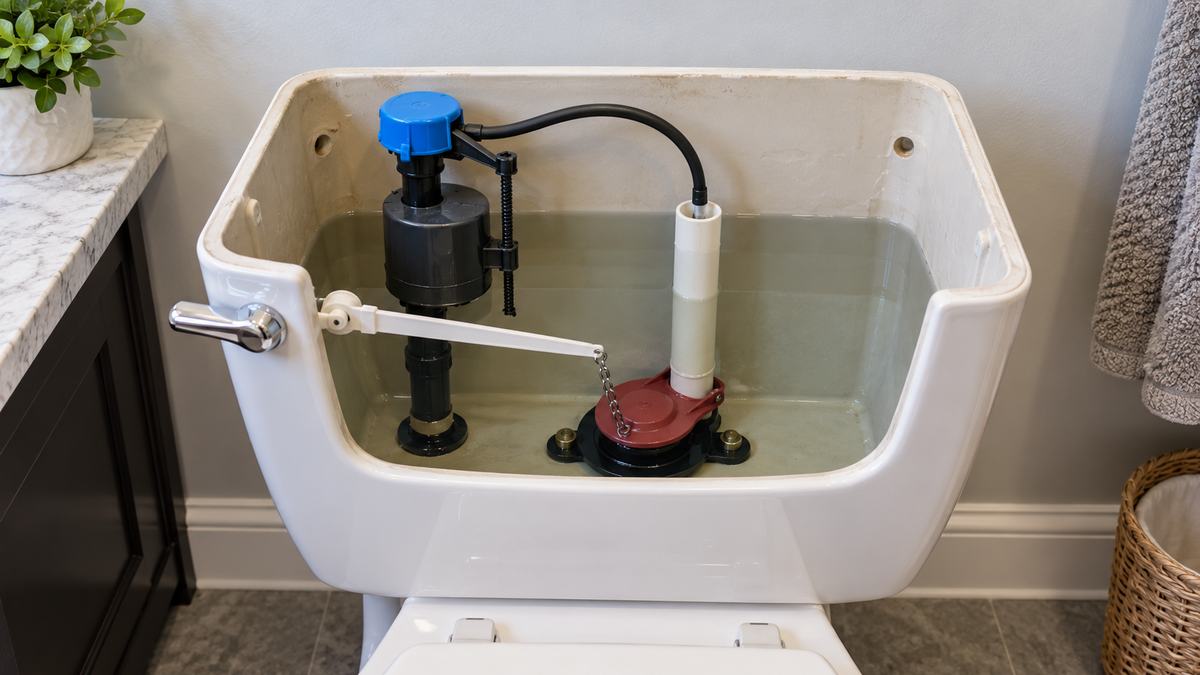
A toilet that runs on and off, or leaks silently from the tank into the bowl, can waste hundreds of gallons a day. Do the food coloring test: add a few drops to the tank, wait 15 minutes, and look for color in the bowl. See why your toilet keeps running for fixes.
2. Dripping Faucets and Showerheads
One drip per second adds up to thousands of gallons a year. Worn cartridges and washers are the usual culprits. Our guide to leaky faucets explains what fails and why.
3. A Leaking Water Heater or Relief Valve
Check the floor around the tank and the discharge pipe from the temperature and pressure relief valve. A relief valve that drips can signal high water pressure or an overheating tank, which is a safety issue.
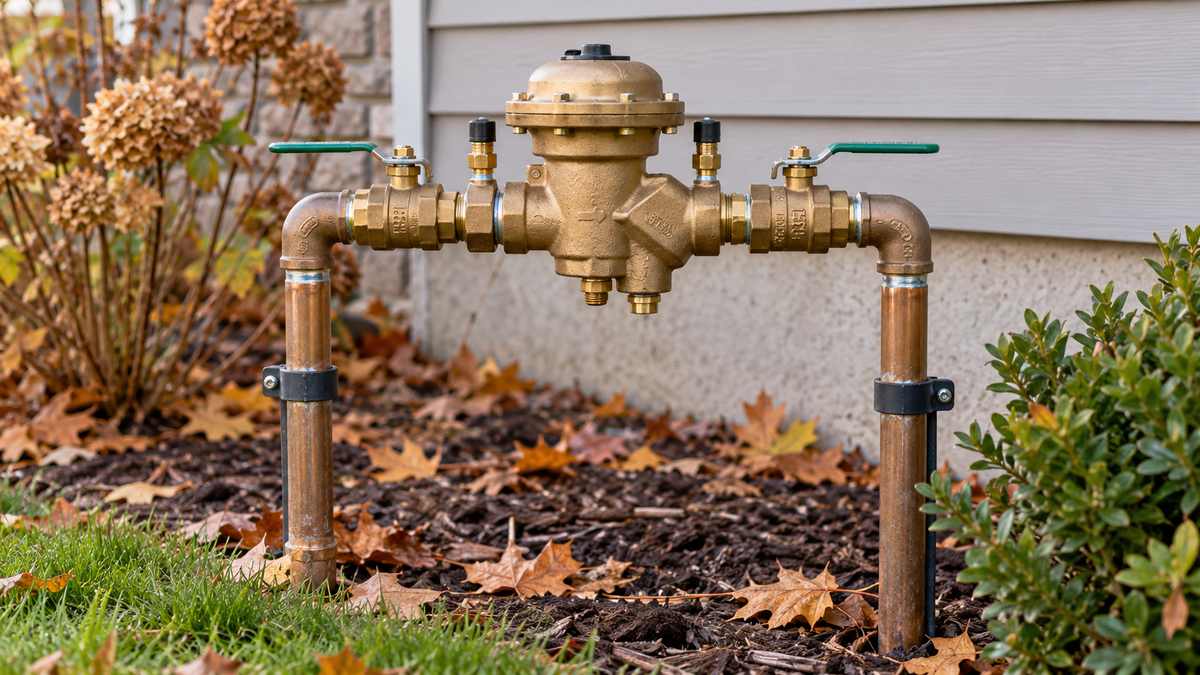
4. Irrigation and Outdoor Faucet Leaks
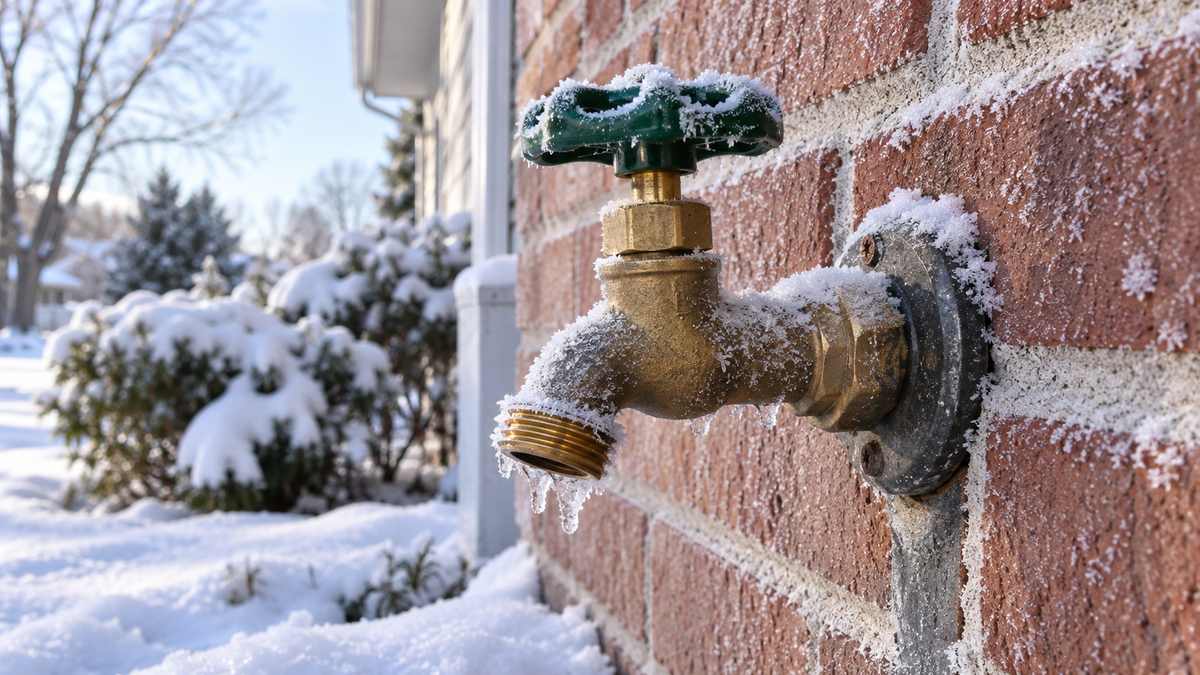
Broken sprinkler heads, a cracked line, or a hose bib that split over winter can run unnoticed. Look for unusually green or soggy patches in the yard.
5. A Leak in the Underground Service Line
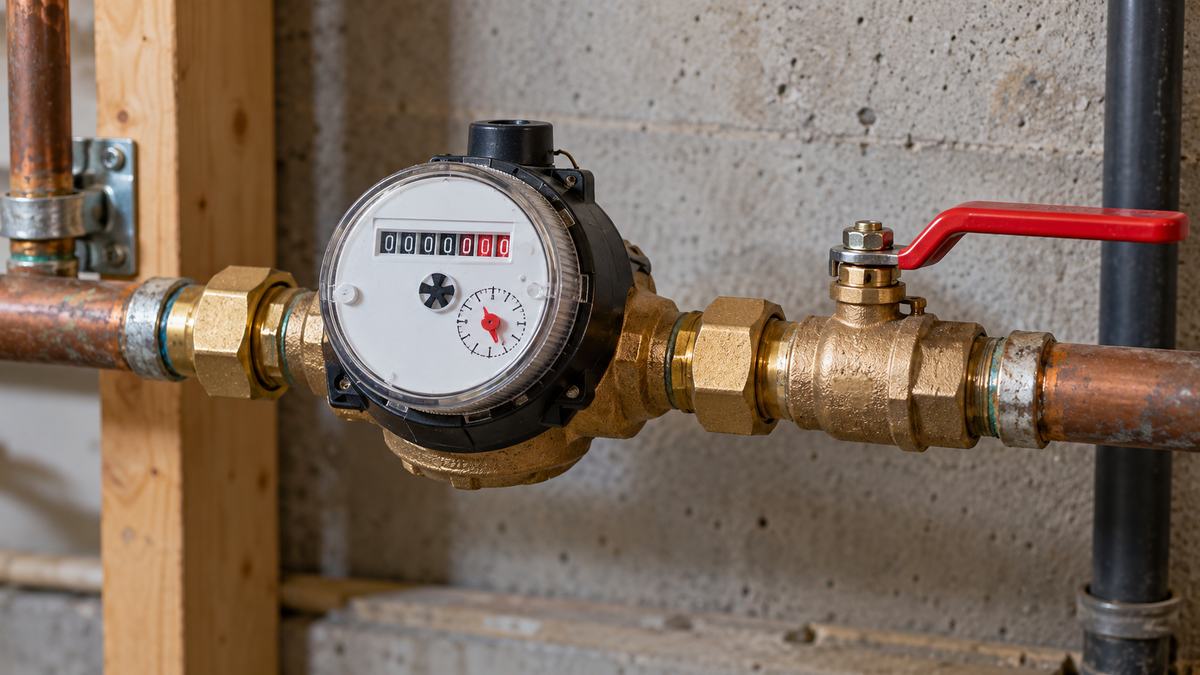
The pipe between the curb and your house can crack from age, ground movement or tree roots. Signs include a wet spot in the yard that never dries, lower water pressure, or the meter moving with the house valve closed.
6. A Water Softener Stuck in Regeneration
A softener with a faulty valve can keep sending water to the drain. If you hear water running to the drain long after the regeneration cycle should have ended, have it checked.
7. More People or New Habits
Houseguests, a new baby, filling a pool, or a new appliance can legitimately raise usage. Rule these out before assuming a leak.
How to Confirm a Leak in One Hour
Turn off all water use and watch your meter. If the reading moves, water is escaping. Step-by-step instructions are in how to read your water meter to check for leaks.
When to Call a Plumber
Call if the meter shows a leak you cannot find, if you see water stains or hear water running in walls, or if your bill stays high after fixing toilets and faucets. Hidden leaks cause mold and structural damage the longer they run.
High Water Bill and No Obvious Leak?
Our leak detection service finds hidden leaks fast, and we can repair faucets, toilets and service lines the same visit when possible. Call (610) 489-2717 any time, day or night, or book service online.
Frequently Asked Questions
Can my water company tell me if I have a leak?
Some suppliers flag unusual usage, but most will not find the leak for you. A meter test and a plumber can.
Can a running toilet really double my bill?
Yes. A toilet that runs constantly can waste more water than the rest of the house uses, especially if it goes unnoticed for a full billing cycle.
Will my water company adjust the bill for a leak?
Some suppliers offer a one-time leak adjustment if you fix the leak and show proof of repair. Ask your supplier about their policy.
Does a hidden leak always show water damage?
No. Leaks in a slab, underground line or behind a wall can run for weeks before any stain appears.